
Peptide Research
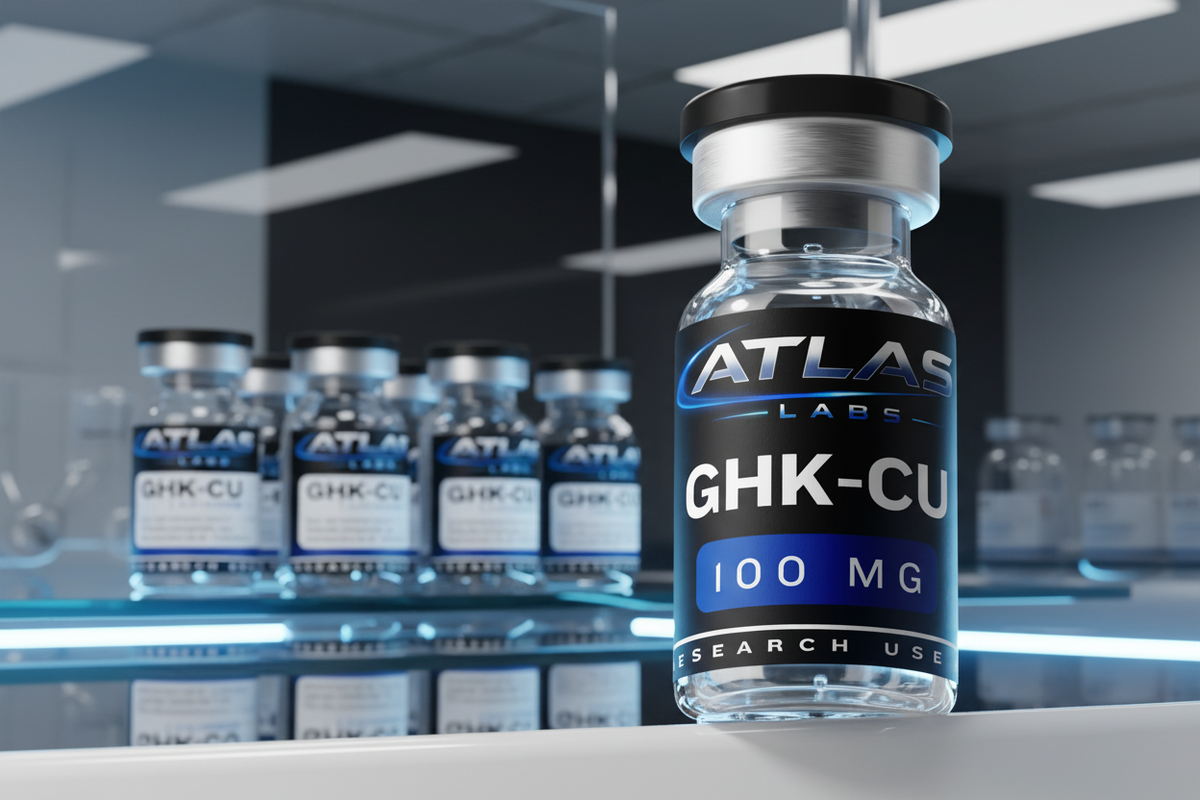
GHK-Cu Peptide: Mechanism, Benefits, Research Applications, and Scientific Studies
GHK-Cu (glycyl-L-histidyl-L-lysine copper complex) is a naturally occurring copper-binding peptide that has been widely studied for its role in cellular signaling, tissue remodeling, and regenerative biology. Identified in human plasma, this tripeptide has been the subject of extensive research exploring its involvement in processes such as collagen synthesis, gene expression modulation, and wound response mechanisms.
This article provides an overview of GHK-Cu’s biochemical properties, mechanisms of action, and research applications across dermatological and regenerative studies. It also highlights emerging areas of investigation while emphasizing that all information is presented strictly for educational and research purposes only.
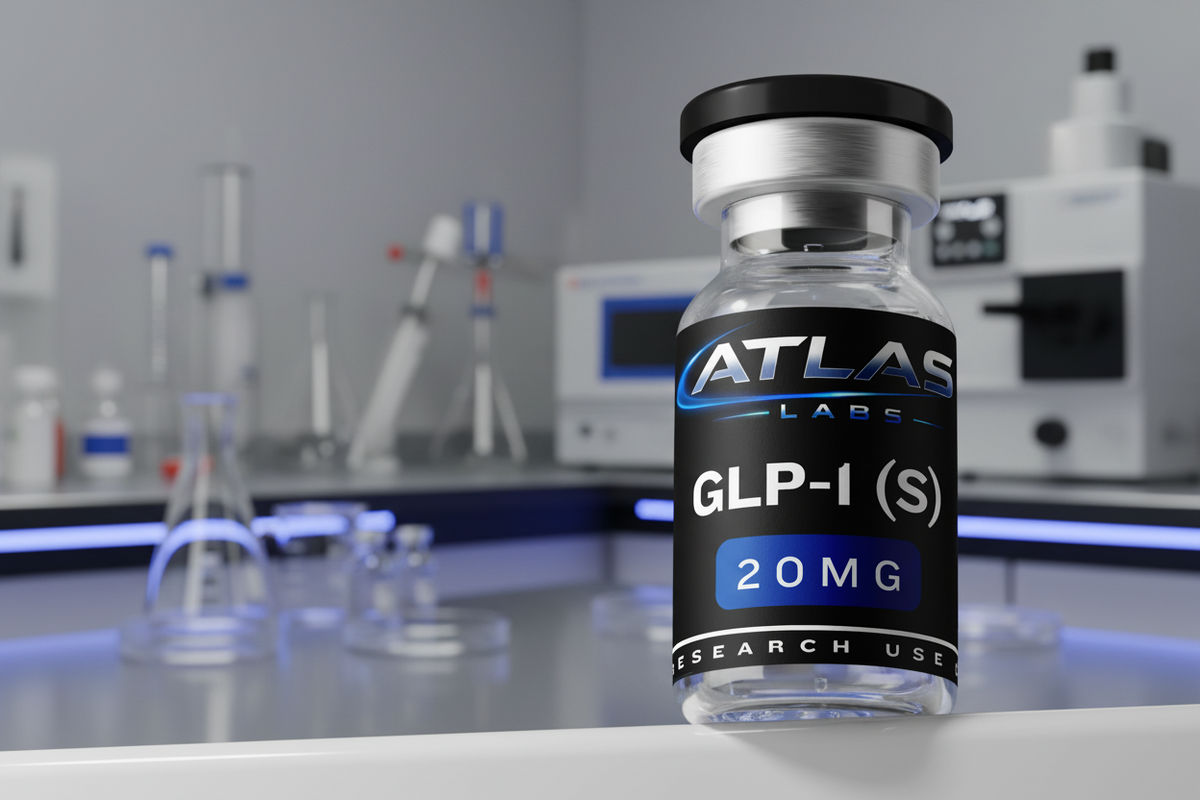
GLP-1 Peptides and Semaglutide: Mechanism, Benefits, Uses, and Latest Research
GLP-1 peptides, including semaglutide, are widely studied for their role in metabolic regulation and incretin biology. As a synthetic GLP-1 receptor agonist, semaglutide has been the focus of extensive research exploring its effects on glucose metabolism, appetite signaling, and energy balance.
This article provides an overview of the compound’s mechanism of action, research applications, and findings from clinical and preclinical studies. It also highlights ongoing areas of investigation, including cardiovascular and neurological pathways, while emphasizing that all information is presented strictly for educational and research purposes.
